Camera Monitoring

What is it?
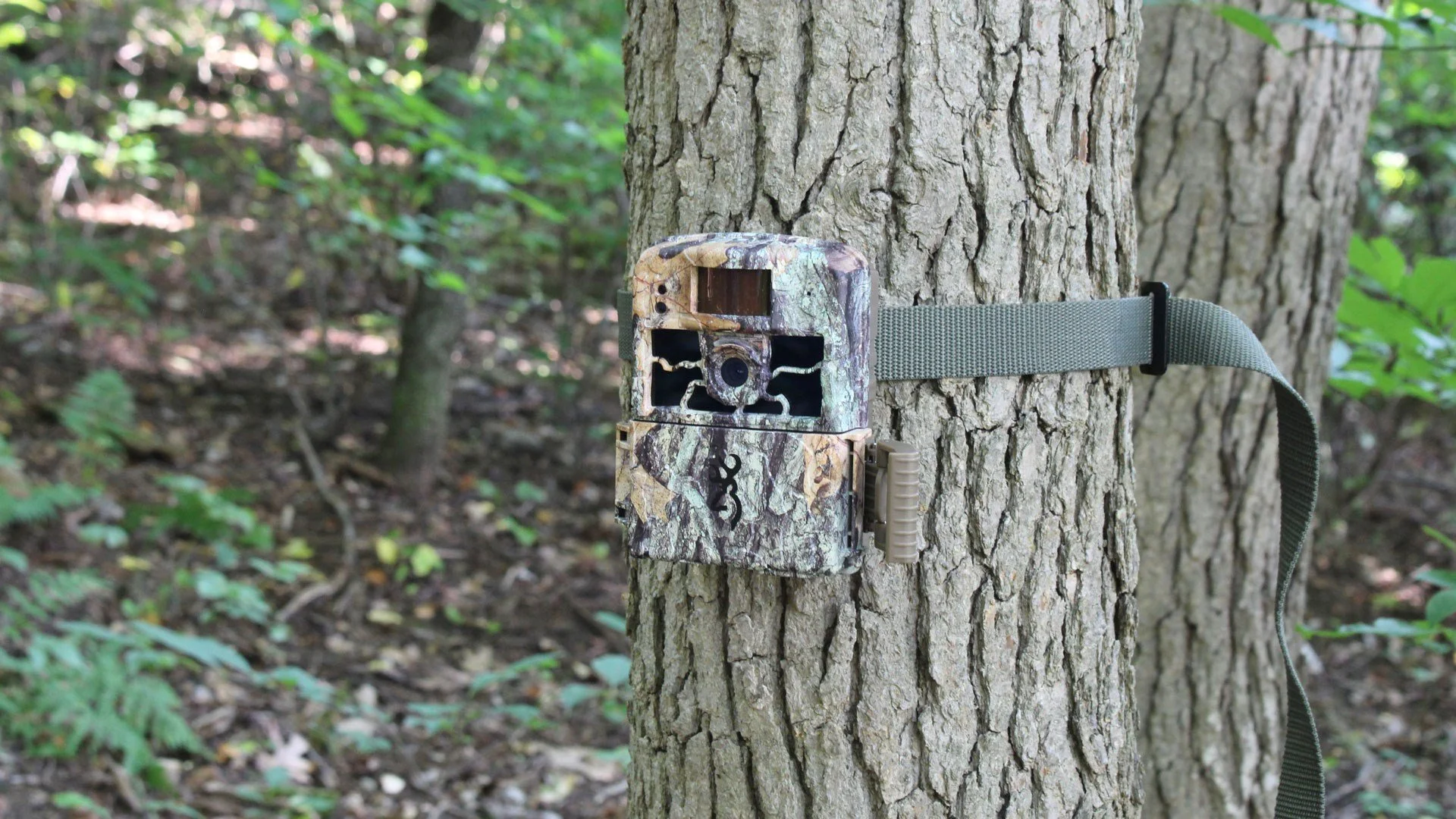
Trail cameras act as your eyes when you’re not on the ground. These weatherproof, compact units take photos or videos of whatever moves past them, day or night. Often called game cameras or camera traps, they help you keep tabs on carnivore activity, track wildlife movement patterns, and understand when wolves or other carnivores may be moving through pastures or allotments. With regular use, trail cameras can become a reliable tool for spotting early signs of risk to your livestock.

Why does it work?
While trail cameras don’t prevent conflicts on their own, they give you early information about wolf activity and the presence of wild prey near your livestock. That timely insight helps you plan and be proactive, whether that means adjusting grazing rotations, bringing in a range rider, using scare devices, or simply keeping a closer eye on a particular pasture. Depending on how you use them, trail cameras can help you make informed, proactive decisions that fit your operation and give you a clearer picture of what’s happening when you can’t be there in person.

When is it effective?
Trail cameras work best when you set clear goals for what you want to learn. Your goals guide how many cameras to deploy, where to place them, and how often to check them. For example, cameras can be useful for monitoring wolf use of travel corridors, checking areas where livestock may be more vulnerable, or confirming whether wolves are spending time near your livestock. By choosing your camera placement based on your goals, you can make the most of your time in the field and ensure the camera footage actually supports your management decisions. If you have the ability to use cellular-enabled camera traps, they can even help you make decisions in real time.

How to implement it?
Trail cameras are easy to find online or in sporting-goods stores, but not all models perform the same. Look for cameras that are reliable, quiet, have a fast trigger speed, and can stand up to Colorado’s weather.
For most ranch operations, two to five cameras is a good place to start; this is enough to get familiar with cameras and cover high-risk spots such as calving pastures, remote corners of your range, or wildlife travel routes. Larger operations or multiple pastures may require more cameras to get the coverage you want. There’s no perfect number, so start with what you can realistically manage. Consistent maintenance is key, so make sure you can check batteries, swap SD cards, and confirm that cameras are working, especially during calving and lambing seasons. Checking cameras every 2 weeks is a good goal to start, but you should increase or decrease frequency depending on your goals and equipment. For more guidance on setting up cameras to specifically capture wolves, see the setup tips linked below.
Several agencies and organizations in Colorado can help provide cameras, assist with setup, or even help check them in the field. Use the button below to view available programs and contact information, and consider reaching out before buying your own equipment.